Boat Windshield Replacement Near Me (Jacksonville, FL): What to Expect + How to Get It Done Right
Fast Mobile Boat Windshield Replacement in Jacksonville, FL — Clear Visibility, Leak-Free Seals, and OEM-Style Fitment at Your Marina or Driveway
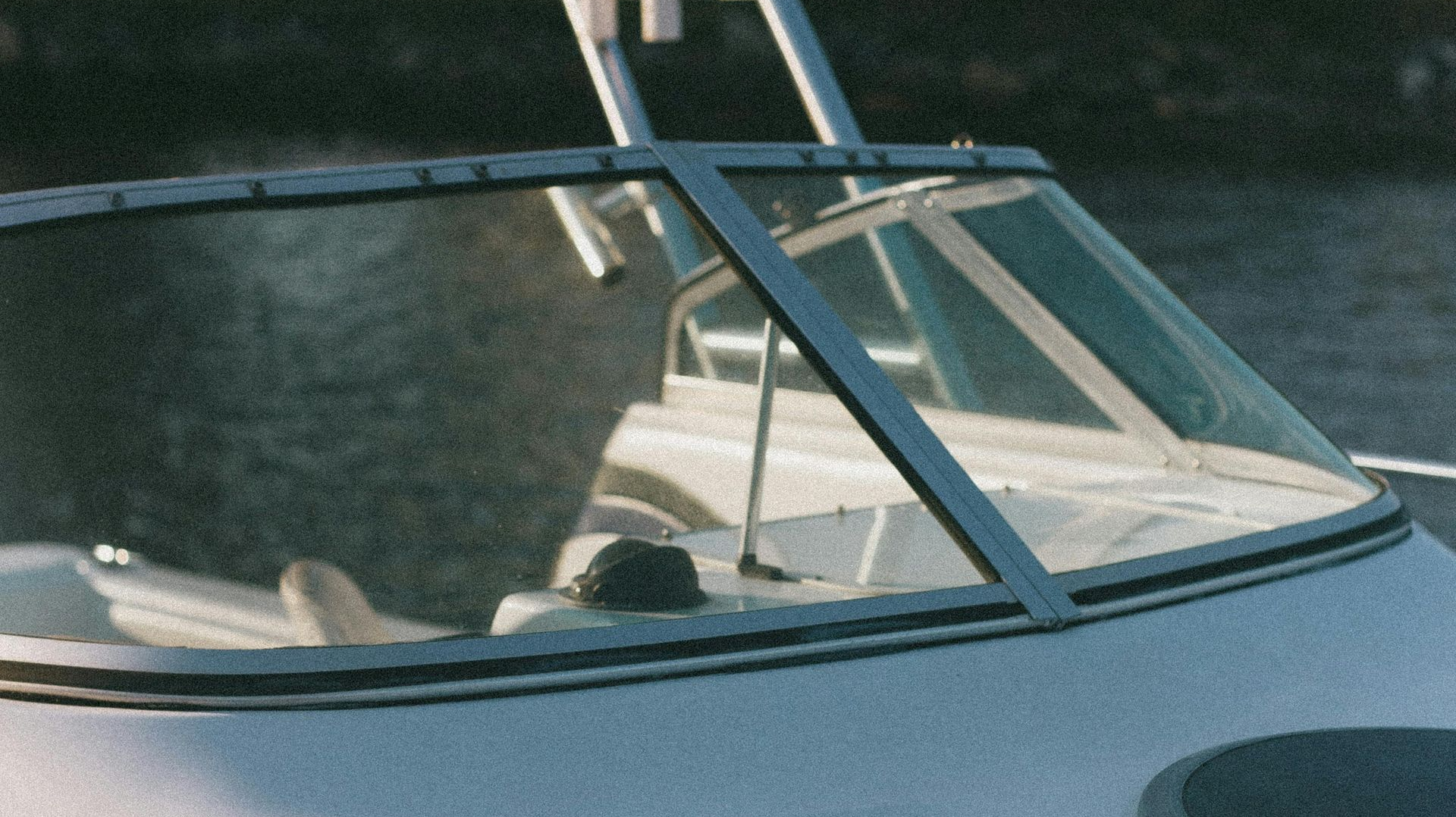
If you’re searching “boat windshield replacement near me” in Jacksonville, FL, chances are your windshield is cracked, crazed (that spider-web haze), leaking at the frame, or simply not safe to run at speed anymore. In Northeast Florida, windshields take a beating from UV, salt air, sand, and the vibration of chop on the St. Johns River, the Intracoastal, and out of Mayport.
Below is a practical guide to boat windshield replacement in Jacksonville—what causes failures, which materials are best, how a proper replacement is done, and how to choose a mobile service that won’t leave you with leaks or stress cracks six weeks later.
Signs You Need Boat Windshield Replacement
Some issues can be repaired, but many “repairs” don’t last on boats because windshields flex and frames move. Replacement is usually the right call if you have:
- Cracks that spread from screw holes or corners
- Crazing/hazing that reduces visibility (especially at sunrise/sunset)
- Loose windshield frame or missing fasteners
- Water leaks into the console or behind the dash
- Warping (common on older acrylic)
- Previous poor installation
If visibility is compromised or the windshield is no longer rigid in its frame, replacement is typically safer and cheaper long-term.
What Most Boat Windshields Are Made Of
When people search “boat windshield glass replacement,” they often assume it’s standard glass like a car. Boats vary a lot. The most common materials:
Acrylic (Plexiglass)
- Common on center consoles, bass boats, and older runabouts
- Good clarity and cost-effective
- Can craze over time from UV + cleaners + micro-scratches
- More brittle than polycarbonate
Polycarbonate (Lexan)
- More impact resistant than acrylic
- Better for rough use (fishing, trailering, debris)
- Scratches easier unless it has a hard coat
- Can yellow if not UV-stabilized or if low-grade material is used
Tempered or Laminated Glass
- More common on larger cruisers/yachts
- Excellent scratch resistance and clarity
- Heavier and typically more complex to replace
- Often requires exact OEM specs and professional handling
Bottom line: The “best” replacement depends on your boat style, speed, mounting design, and how/where you use it around Jacksonville.
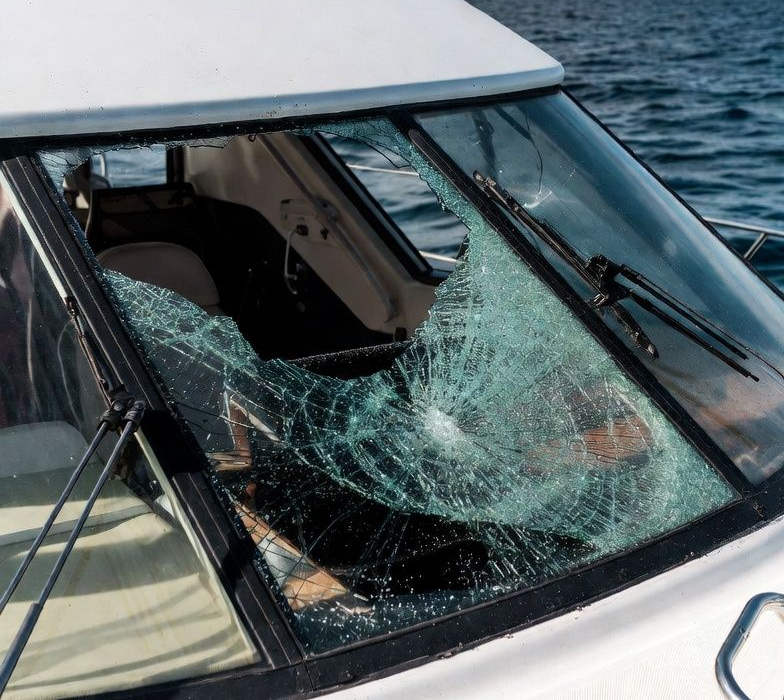
The Right Way to Replace a Boat Windshield (Step-by-Step)
A good windshield replacement is less about “cutting a new piece” and more about fit, mounting, and sealing so it survives Florida heat and hull vibration.
1) Identify the Type and Mounting System
Is it a
walk-through windshield, a
center console shield, a
pontoon panel, or a
curved, multi-piece system?
Mounting could be:
- Screwed into an aluminum frame
- Bolted through standoffs
- Set into a channel with gasket
- Bonded with marine adhesive/sealant
2) Make a Proper Template
A precise template prevents:
- Edge stress (cracks later)
- Misaligned holes
- Wind noise and water intrusion
Many “near me” jobs go wrong because someone eyeballs a shape, drills holes, and forces the panel to fit.
3) Remove the Old Windshield Without Damaging the Frame
Frames bend easily. The best approach is patient removal:
- Back out fasteners carefully
- Separate old sealant without prying the frame out of square
- Label hardware and spacer positions
4) Inspect and Correct the Frame
Before the new panel goes in, a pro should check for:
- Bent sections
- Corrosion in channels
- Missing rubber/gasket material
- Stripped screw holes
- Uneven pressure points (classic cause of corner cracks)
5) Choose the Correct Thickness and Edge Finishing
Thickness matters for rigidity and vibration resistance. Edges should be clean and properly finished to reduce stress risers—especially around corners.
6) Install With Proper Bedding + Expansion Allowance
Plastic expands and contracts with temperature. Jacksonville heat cycles are brutal. Installation should:
- Avoid over-tightening screws
- Use appropriate washers/grommets where needed
- Use marine-grade bedding/sealant compatible with the material
- Maintain even compression along the frame/channel
7) Leak Test + Sea Trial Considerations
A good installer verifies:
- No flexing or rattling at speed
- No water ingress during washdown/rain
- Clear visibility with no distortion or stress marks
FAQ: Boat Windshield Replacement
Can a cracked boat windshield be repaired instead of replaced?
Sometimes small chips or very minor cracks can be stabilized, but many boat windshields (especially acrylic) keep cracking due to flex and vibration. If it’s spreading, leaking, or impairing visibility, replacement is usually the better move.
Is polycarbonate better than acrylic in Florida?
Polycarbonate is more impact resistant, which is great for trailering, fishing, and debris. Acrylic often has better scratch resistance and clarity at a lower cost. A hard-coated polycarbonate can be a strong choice if you want durability.
How long does a typical replacement take?
Simple flat panels can often be templated and installed quickly once the part is ready. Complex multi-piece systems or frame repairs take longer. The key is not rushing fitment and sealing.
Do you match OEM windshields?
A good service can often replicate the shape from a template and match thickness and mounting style. For specialty boats or curved glass, OEM sourcing may be necessary.
Need Boat Windshield Replacement in Jacksonville?
If you’re in Jacksonville, Orange Park, Fleming Island, Ponte Vedra, St. Augustine, Fernandina Beach, or along the Intracoastal, Call us an we will help.
You might also like
More Information and Stories about the boat repair!